Best Luma AI Alternative for Modern Creative Teams
Compare HighReach vs Luma AI to see whether you need a narrower tool or a broader AI suite for video, image, audio, avatars, and creative production. HighReach combines generation, editing, lip-sync, voice-over, dubbing, and launch-ready asset workflows in one platform.
Built for creators, brands, and growth teams that want one AI suite for Kling, Seedance, Veo, GPT Image, ElevenLabs, and faster creative production.
Luma AI
HighReach
Luma AI vs HighReach: What You Need to Know
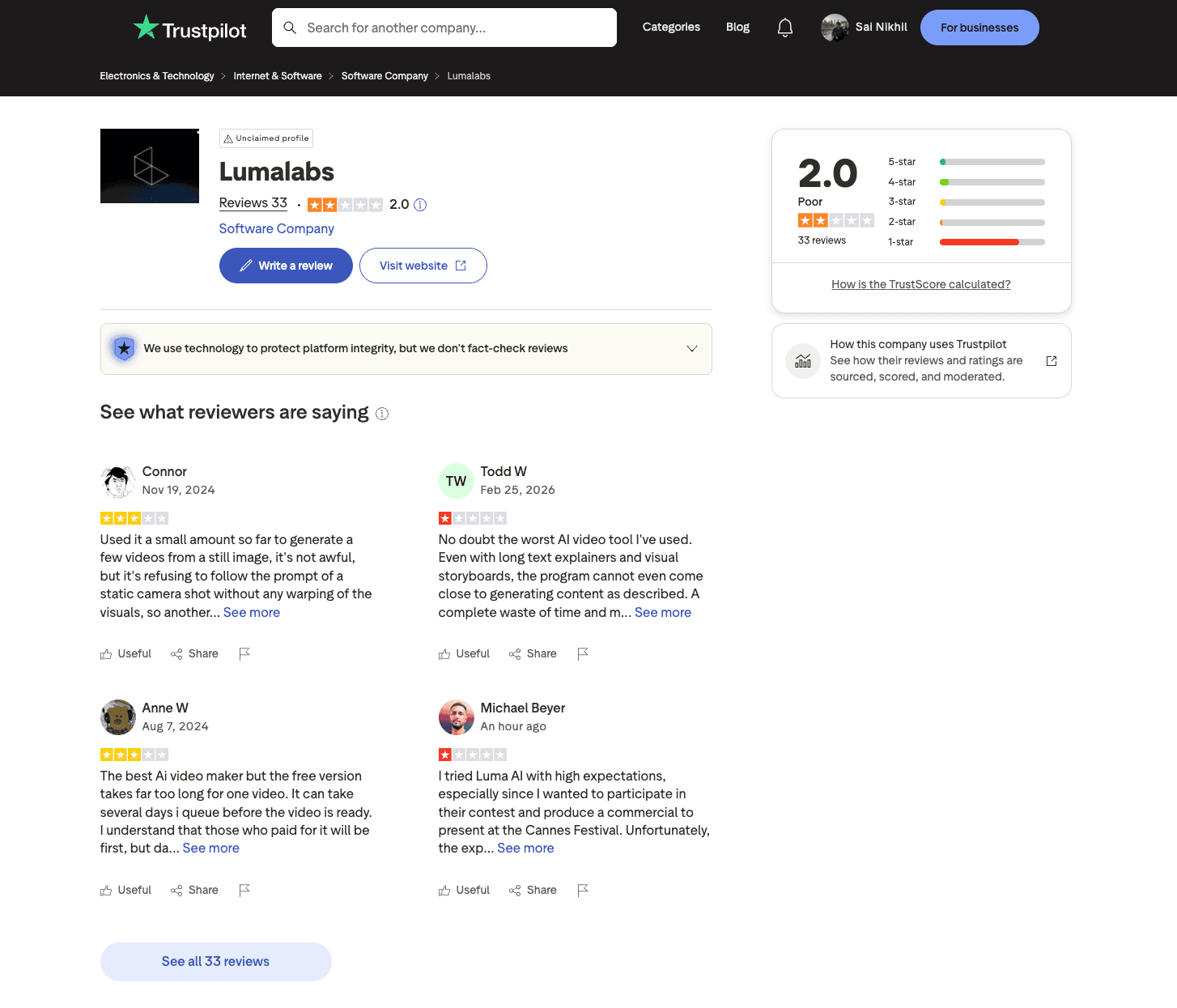
Luma AI is generally evaluated as an AI media generation platform focused on video and image creation. Teams often look at it for generative visual content, AI video workflows, and creative experimentation across broader media use cases.
Because of that positioning, Luma AI usually appeals to creators and marketers who want a general AI visual generation tool rather than a campaign-specific ad production system.
HighReach is a Luma AI alternative built as a broader AI suite for creative production. Instead of centering only one workflow, it gives teams one workspace for AI video generation, image creation, editing, lip-sync, avatar workflows, voice-over, dubbing, and launch-ready asset production.
Across the suite, teams can work with newer models like Kling, Seedance, Veo, GPT Image, and ElevenLabs depending on the task. That makes HighReach a better fit for brands, creators, and operators who want one system for video, image, audio, and creative iteration rather than stitching together several single-purpose tools.
TL;DR
Luma AI vs HighReach: The Verdict
Both products use AI for creative work, but the biggest difference is scope. Luma AI is optimized for a narrower workflow, while HighReach is a broader AI suite covering video, image, audio, avatar, and editing workflows in one place.
Choose Luma AI if you...
Want a general AI media generation platform
Care about broad creative video and image workflows
Need a tool for exploratory AI visual creation
Prefer a general-purpose generative media system
Want media generation beyond advertising use cases
Choose HighReach if you...
Want one suite for AI video, image, audio, avatar, and editing workflows
Need access to newer models like Kling, Seedance, Veo, GPT Image, and ElevenLabs in one workspace
Want lip-sync, voice-over, dubbing, image editing, and video generation without stitching together separate tools
Need launch-ready creative assets plus room for broader content production
Prefer a platform that supports both campaign work and general creative iteration
HighReach vs Luma AI
Feature comparison for teams researching the best Luma AI alternative in 2026.
Feature-by-feature comparison of Luma AI vs HighReach across AI suite workflows.
Capability
Luma AI
HighReach
Primary use case
General AI media generation
AI video, image, audio, and avatar suite
Image studio creation
Partial
Yes
Video studio creation
Moderate
Strong
Product campaign assets
Limited
Strong
UGC-style studio workflows
Limited
Yes
Creative concept generation
Strong
Strong
Ad hook generation
Limited
Strong
Ad variation generation
Moderate
Strong
Launch-ready ad assets
Moderate
Strong
Built for ecommerce ads
Limited
Yes
Built for paid social workflows
Limited
Yes
Image + video campaign workflow
Limited
Strong
Launch-ready asset focus
Moderate
Strong
Performance marketing fit
Limited
Strong
General generative media workflow
Strong
Moderate
Note: competitor capabilities are based on publicly available product pages and may change over time.
Luma AI can be attractive for broad AI media generation, but many marketers look for alternatives when they need a more direct workflow for ad production, campaign variation, and launch-ready paid assets.
General media generation is not the same as ad production
Creative media tools are useful, but campaign teams often need stronger support for hooks, product visuals, and ad-specific structure.
Performance teams need more testing structure
Marketers need many variants across formats and messages, which is different from a general AI generation workflow.
Campaigns require image and video together
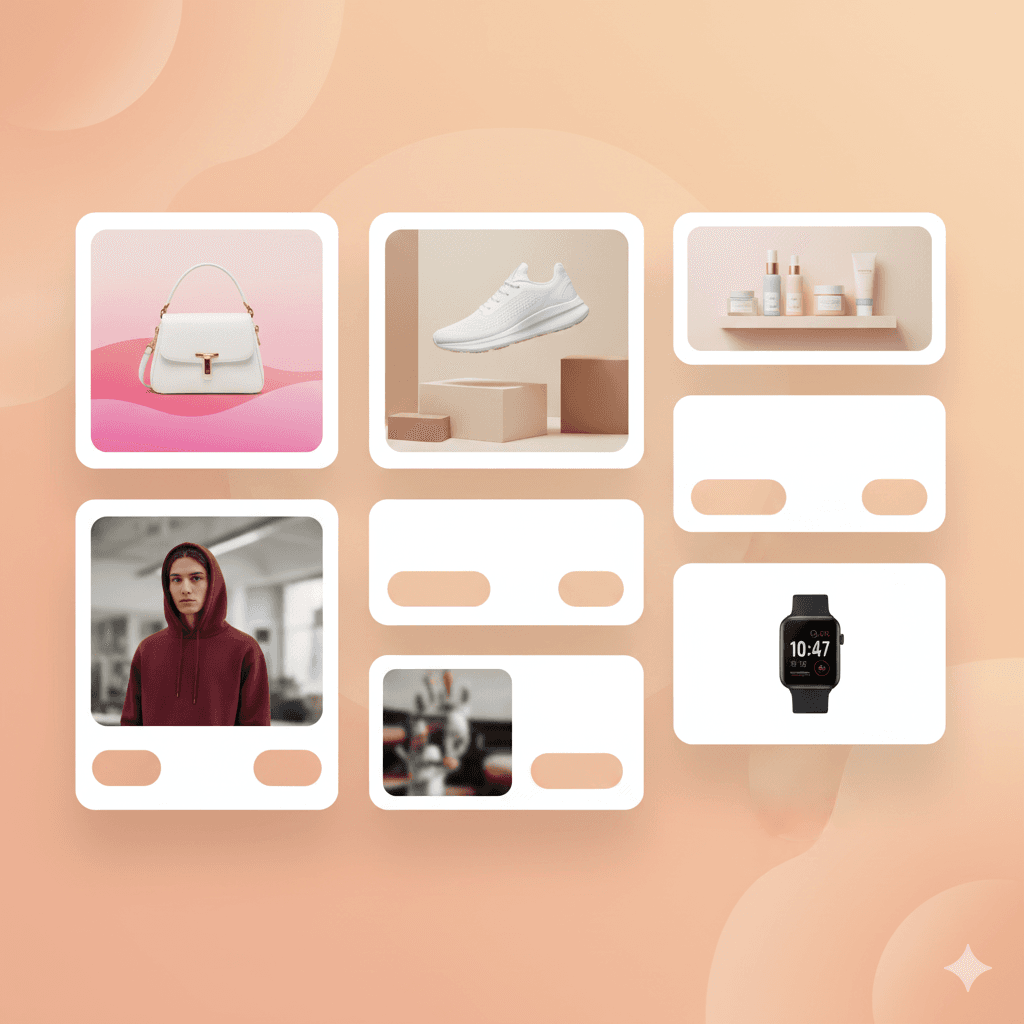
Most paid media teams need static ads, product creatives, UGC-style assets, and video ads working together.
Launch-ready assets matter for marketers
Teams often search for a Luma AI alternative when they care more about getting ads live than exploring general media generation.
Who Should Use Luma AI vs HighReach?
The best choice depends on whether your team wants a single-purpose workflow or a broader AI suite for video, image, audio, avatars, and editing.
Luma AI is best for
Creators exploring AI-generated media
Use Luma AI when your main need is broad video and image generation beyond studio workflows.
Teams doing visual experimentation
A better fit for workflows centered on general AI creativity rather than paid campaign output.
Brands with separate ad production stacks
Choose Luma AI when media generation is one input inside a broader system handled elsewhere.
Users who want a general AI visual platform
Useful when studio workflows are not the primary buying reason.
HighReach is best for
Teams that want one AI suite instead of several tools
Generate videos, images, voice-over, dubbing, lip-sync, and creative variations from one workspace.
Brands and creators shipping across multiple formats
Create short-form video, static visuals, avatars, product assets, and social-ready outputs without rebuilding the workflow each time.
Operators who want the latest model coverage
Use workflows powered by models like Kling, Seedance, Veo, GPT Image, and ElevenLabs inside the same product.
Teams balancing campaign output with broader content creation
A better fit when you need launch-ready assets plus general AI studio capabilities for ongoing production.
Why HighReach Is a Better Luma AI Alternative for AI Suite Workflows
HighReach gives teams a broader AI suite than Luma AI, combining video generation and editing, image creation, audio tools, avatars, lip-sync, voice-over, dubbing, and model coverage across Kling, Seedance, Veo, GPT Image, and ElevenLabs in one workspace.
AI UGC
AI UGC Video Ads
Create UGC-style video ads in minutes using AI avatars. No creators or filming required — generate testimonial-style videos designed to drive engagement.
Diverse AI avatarsNatural-sounding voicesMulti-language supportAI-generated scripts
Frequently Asked QuestionsAbout HighReach vs Luma AI
What makes HighReach a strong Luma AI alternative?
HighReach is a stronger Luma AI alternative for teams that want a broader AI suite instead of a narrower single-workflow tool. It combines AI video, image, audio, avatars, editing, lip-sync, voice-over, dubbing, and launch-ready asset creation in one product.
Is HighReach only for ads?
No. HighReach is not positioned only as an ad generator anymore. It is a broader AI suite for creating videos, images, audio, avatars, and edited assets, which means teams can use it for campaign production, social content, product visuals, UGC-style assets, and general creative work.
Can HighReach create AI videos, images, and audio in one platform?
Yes. HighReach supports AI video workflows, AI image workflows, and AI audio workflows inside one platform. Teams can generate or edit videos, create or modify images, and produce voice-over, dubbing, music, and sound effects without moving across separate tools.
Which models does HighReach support?
HighReach supports workflows powered by newer model families including Kling, Seedance, Veo, GPT Image, and ElevenLabs, with model choice varying by workflow. That gives teams one place to access current video, image, and audio generation capabilities without stitching together a fragmented stack.
Does HighReach support avatars, lip-sync, voice-over, and dubbing?
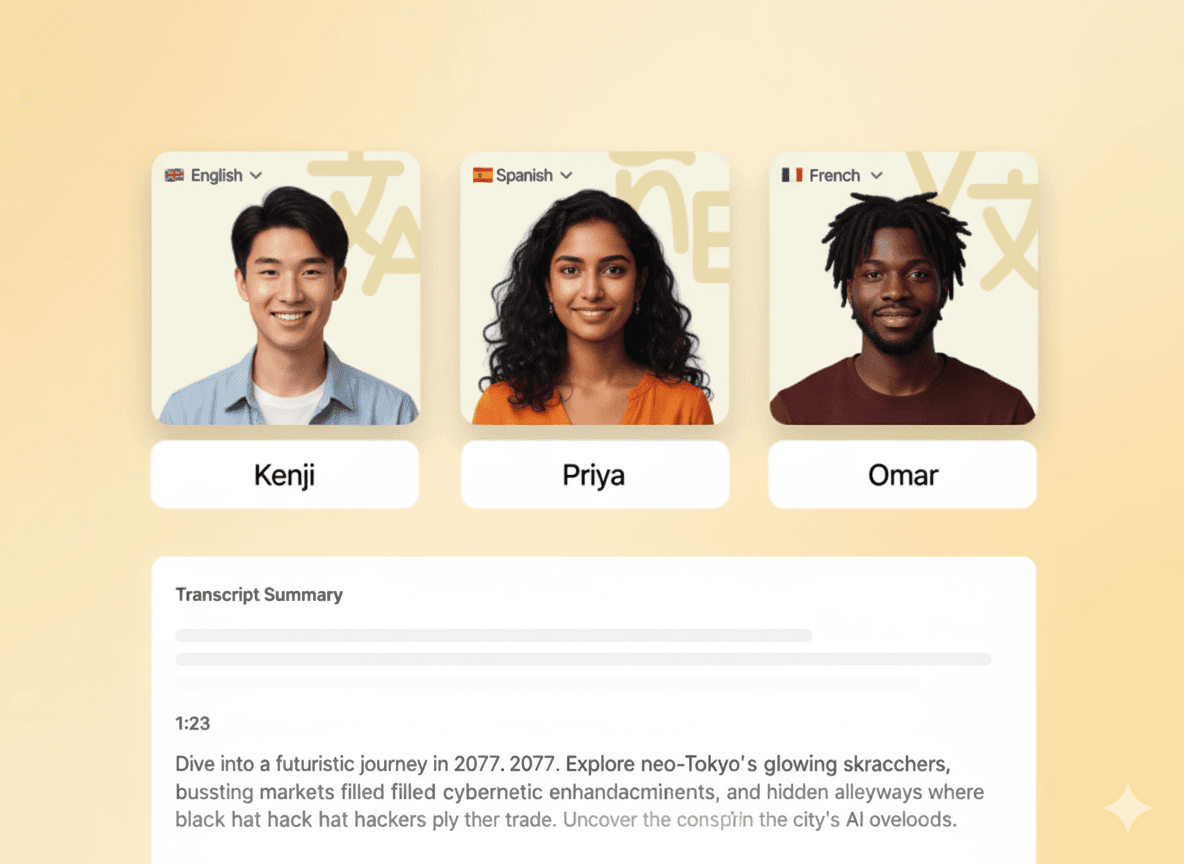
Yes. HighReach includes avatar-style workflows plus lip-sync, voice-over generation, audio dubbing, and related audio tooling. That makes it more useful for teams creating spokesperson videos, social clips, explainer content, and other multimodal outputs.
When should I choose HighReach over Luma AI?
Choose HighReach over Luma AI when your team wants one AI suite for video, image, audio, editing, and avatar workflows, or when you need access to newer models and broader creative coverage. If you only need one narrow workflow that Luma AI specializes in, that tool may still fit, but HighReach is stronger for teams that want one platform across multiple production needs.
Can HighReach edit existing assets as well as generate new ones?
Yes. HighReach covers both generation and editing workflows. Teams can create new videos and images from prompts, but they can also edit existing assets, run image variations, expand or upscale images, modify videos, relight scenes, replace characters, and add synced audio workflows.
Is HighReach a good fit for agencies, brands, and creators?
Yes. HighReach is a good fit for agencies, ecommerce brands, in-house creative teams, growth teams, and solo creators that need broader AI production coverage. Its value is strongest when the team wants to move across video, image, audio, and launch-ready asset workflows from one workspace.
Can HighReach handle both launch-ready assets and general creative production?
Yes. HighReach is designed to cover both use cases. Teams can use it for launch-ready creative assets, but it also works as a broader AI suite for experimentation, concept generation, content iteration, and ongoing video, image, and audio production.
Compare HighReach to More AI Studio Tools
Explore more alternatives related to Luma AI and compare HighReach across other AI suite, video, image, audio, avatar, and creative production workflows.
Foreplay Alternative
Compare research-centric creative workflows with a broader AI suite for asset production.